
Bitcoin Slips As Hot Inflation And ETF Outflows Point To A Fed Rate Hike
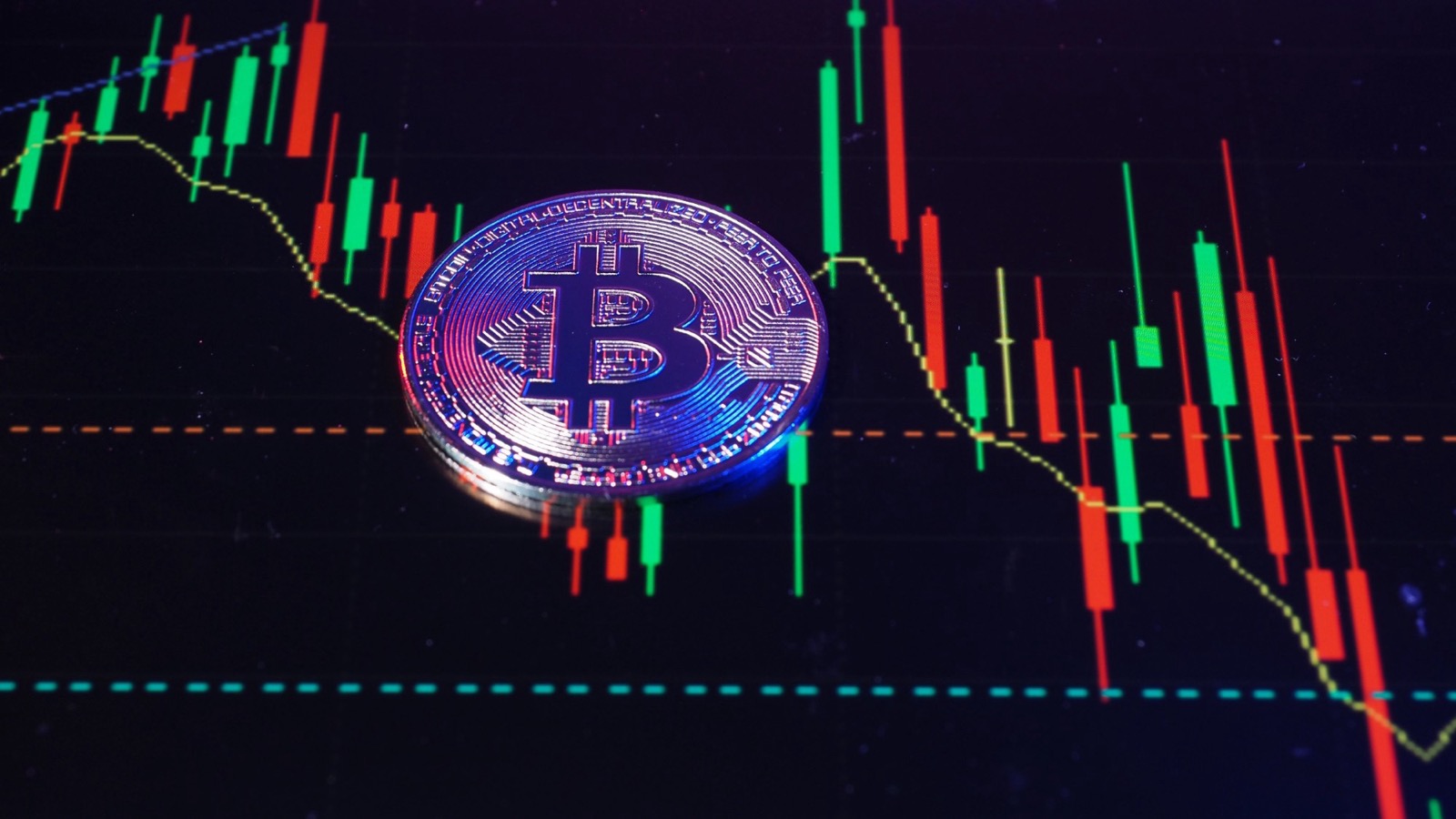
Bitcoin fell to about $73,600 on the morning of Nov. 10 after US consumer prices rose faster than forecast in October, which firmed up expectations that the Federal Reserve will raise interest rates on Dec. 9. Investors were already pulling money from spot bitcoin ETFs, which lost $201 million on Monday alone.
Quick Take
- October's Consumer Price Index rose 0.4% for the month and core prices rose 0.3%, each 0.1 point above the consensus forecast.
- US spot bitcoin ETFs had net outflows of $201 million on Nov. 9, led by $213.2 million out of BlackRock's IBIT, its seventh straight day of redemptions.
- Traders are pricing a quarter-point Fed rate hike on Dec. 9, and Fed Governor Christopher Waller said a half-point move could be warranted if inflation ran hot.
What Happened To Bitcoin On Nov. 10?
Bitcoin traded near $74,200 early on Nov. 10, down 1.4% since midnight UTC, according to CoinDesk's pre-report market coverage. After the inflation numbers came out at 8:30 a.m. ET, bitcoin dropped about another 1% to roughly $73,600, and Nasdaq 100 futures fell 1.15%.
Ethereum was weaker before the report, down 1.4% to about $2,100. Bitcoin also missed the stock market's Monday rally: the S&P 500 had its best day since April 8 and the Nasdaq Composite gained 2.7%, while bitcoin finished the day roughly flat.
Live prices for both coins, checked every minute across exchanges, are on our crypto prices page.
Save This Article
Email this article to yourself
We'll send you a link to "Bitcoin Slips As Hot Inflation And ETF Outflows Point To A Fed Rate Hike" so you can read it later, plus The Weekly Ritual, our free newsletter. Unsubscribe anytime.
How Hot Was October's Inflation Report?
October prices rose faster than economists expected on both the headline and core measures, according to the Bureau of Labor Statistics. Core inflation leaves out food and energy, and it's the measure the Fed watches most closely for underlying price pressure.
| Measure | Forecast | October | September |
|---|---|---|---|
| Headline CPI, Month Over Month | +0.3% | +0.4% | +0.6% |
| Core CPI, Month Over Month | +0.2% | +0.3% | +0.3% |
| Energy, Month Over Month | n/a | +0.7% | +5.2% |
The forecasts are the Dow Jones consensus as reported by CoinDesk after the release. Energy prices cooled sharply from September's jump, while food rose 0.5% and shelter rose 0.3% for the month.
The BLS did not publish a 12-month inflation rate this time. It said it can't calculate one for October 2026 because October 2025 prices were never collected during the federal government shutdown. The next report, for November, comes out Dec. 10, the day after the Fed's decision.
Why Spot Bitcoin ETF Outflows Matter
Spot bitcoin ETFs hold real bitcoin, so when investors pull more money out than they put in, the funds stop being a source of steady buying. US spot bitcoin ETFs lost a net $201 million on Nov. 9, and BlackRock's iShares Bitcoin Trust (IBIT) accounted for $213.2 million of redemptions, according to Farside Investors data cited by CoinDesk. Spot ether ETFs lost $184.6 million the same day.
The selling has been building for more than a week:
- Last week: spot bitcoin ETFs had a net outflow of $1.282 billion, the largest weekly outflow since late June, according to SoSoValue data in CoinDesk's Nov. 9 Daybook. Four of the five trading days were negative.
- This year: the funds are now about $914 million in the red for 2026, after turning positive for the year on Sept. 22.
- Miners selling too: bitcoin miner MARA disclosed that it sold 13,597 bitcoin, worth about $1.1 billion, over six weeks and plans to sell more, CoinDesk reported.
For comparison, the same funds took in more than $20 billion of net inflows in each of the two prior years. Our BlackRock bitcoin ETF review explains how IBIT works and what it costs to hold.
What Would A Fed Rate Hike Mean For Crypto?
Traders are pricing in a quarter-point increase at the Fed's Dec. 9 meeting, which would lift the federal funds target range to 4.00% to 4.25%, CoinDesk reported, citing CME FedWatch. Before the report, Fed Governor Christopher Waller said he favored a higher rate even if inflation cooled, and that a hotter reading could justify a half-point move.
Higher rates raise what savers earn on cash. The 10-year Treasury yield rose to 4.93% after the report and the 2-year yield jumped 14 basis points to 4.69%. Bitcoin pays no interest, so every rise in safe yields raises the return a bitcoin holder gives up by not holding cash or Treasuries instead.
That trade-off is visible in our crypto savings accounts tracker, which compares crypto yields against the best high-yield savings account each day.
What This Means For Your Money
One inflation report doesn't change what bitcoin is or how it fits a portfolio, and Cult of Money doesn't predict prices. The practical steps are the same in a down week as in an up week:
- Size your position for swings like this. Bitcoin fell about 42% from its October 2025 record of roughly $126,000 to Nov. 10, so only hold an amount you could watch drop by half without selling.
- Keep your emergency fund in cash. Higher rates mean a high-yield savings account pays more, and that money shouldn't sit in crypto.
- Pay less when you buy. The cost of a $1,000 purchase varies by several percent between exchanges. Our cost to buy tracker shows what each one really charges.
- Know what you own. An ETF share is a claim on a fund, while coins in your own wallet are yours alone. Our page on why "not your keys, not your coins" matters covers the difference.
FAQ
Why Did Bitcoin Fall After The CPI Report?
October inflation came in at 0.4% for the month, above the 0.3% forecast, which made a Fed rate hike on Dec. 9 look more certain. Bitcoin slipped about 1% to roughly $73,600 after the 8:30 a.m. ET release, adding to earlier losses as ETF outflows continued.
What Is A Spot Bitcoin ETF Outflow?
An outflow happens when investors redeem more shares of a spot bitcoin ETF than they buy. Because these funds hold actual bitcoin, steady outflows remove a source of demand. US spot bitcoin ETFs lost a net $1.282 billion the week before Nov. 9 and another $201 million on Nov. 9.
Is The Fed Raising Interest Rates In December?
The Fed decides on Dec. 9, and futures markets are pricing a quarter-point hike to a 4.00% to 4.25% range, according to CoinDesk's reading of CME FedWatch. Nothing is final until the Fed announces its decision.
Why Is There No Yearly Inflation Rate For October 2026?
The BLS didn't collect October 2025 prices during the government shutdown, so it can't compare October 2026 with a year earlier. It published monthly changes only. The yearly rate returns with later reports once there's a full year of data to compare.

About the author
Robert Farrington, Founder And Editor-In-Chief
Robert Farrington is the Founder and Editor-in-Chief of Cult of Money, the leading resource for personal finance for the crypto-curious. Since diving into cryptocurrency in 2016, he has personally researched, tested, and written extensively about Bitcoin, Ethereum, DeFi, NFTs, staking, crypto taxes, and how digital assets fit into real-world financial planning.
He is also the founder of The College Investor (one of the largest personal finance sites) and a Forbes contributor. Robert holds a BA in Political Science and an MBA in Entrepreneurship from UC San Diego.
Sources (7)
- US Bureau Of Labor Statistics: Consumer Price Index, October 2026
- CoinDesk: US CPI Rose Stronger Than Expected 0.4% In October
- CoinDesk: Bitcoin Lags Stock Rebound In Advance Of US Inflation Report
- CoinDesk: Bitcoin Slips Before US Inflation Report As Traders Price In Fed Rate Increase
- CoinDesk Daybook: Bitcoin Bulls Can't Rely On ETF Flows
- CoinDesk Daybook: Bitcoin Breaks With Stocks As ETF Outflows Mount
- Federal Reserve: Governor Christopher Waller Speech, Nov. 10, 2026