
What A Warren-Led Senate Banking Committee Means For Crypto
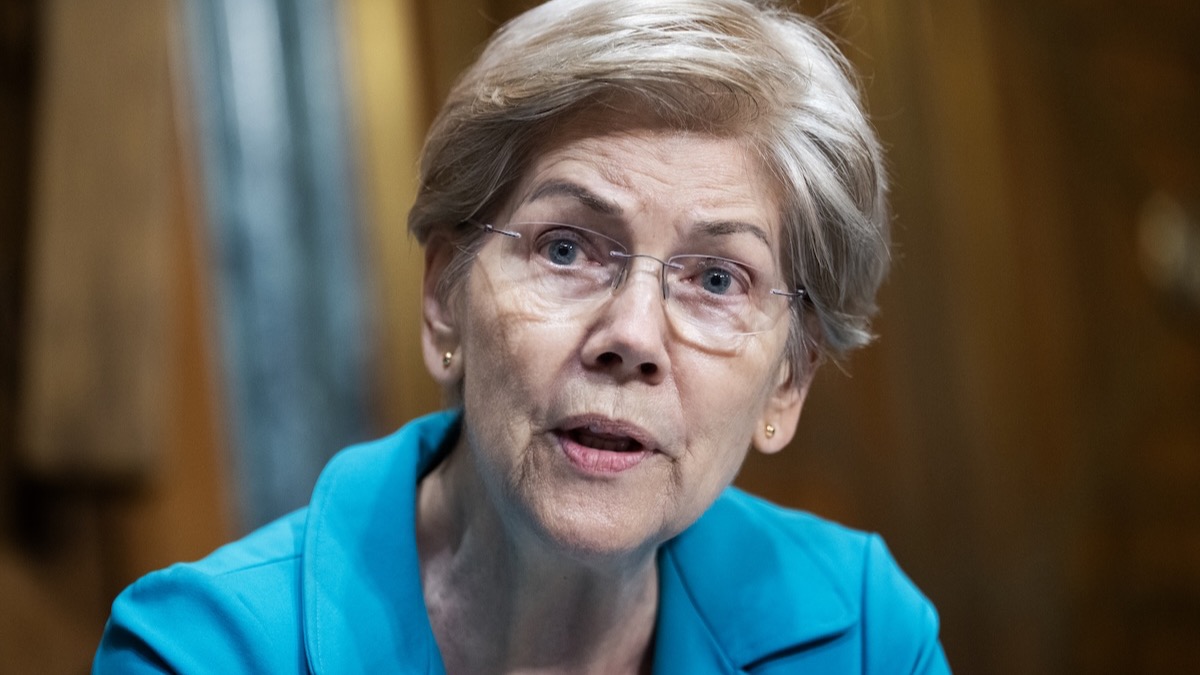
Sen. Elizabeth Warren is set to become chair of the Senate Banking Committee in January, after Democrats won control of the Senate in the Nov. 3 midterm elections. A Warren committee aide told The Block on Nov. 9 that she plans to scrutinize prediction markets such as Kalshi and Polymarket and the Trump family's crypto businesses.
Quick Take
- Warren, a longtime crypto critic, takes over the committee that oversees banks, the Federal Reserve and much of crypto policy when the new Congress starts in January.
- Her office named prediction markets, the TRUMP memecoin and World Liberty Financial as areas of focus, and warned companies to preserve their documents.
- The CLARITY Act, the crypto market structure bill, already stalled in the Senate in September, and analysts don't expect it to move under Democratic committee chairs.
What Did Warren's Office Say?
A Warren aide on the Banking Committee told The Block that her priorities for January include affordability, artificial intelligence, prediction markets, the risk of a financial crisis and accountability. Warren herself wasn't quoted, so these are her office's stated plans, not formal committee actions.
The aide said Big Tech CEOs, administration officials, Trump family crypto businesses, Wall Street firms and large corporations should preserve their records and be ready for tough questions. On prediction markets, the aide said Warren wants to end what the office called a lack of oversight.
Warren will lead the committee's work on banks, deposit insurance, housing, the Federal Reserve and crypto. Republican Sen. Tim Scott of South Carolina has chaired the committee since January 2025.
Save This Article
Email this article to yourself
We'll send you a link to "What A Warren-Led Senate Banking Committee Means For Crypto" so you can read it later, plus The Weekly Ritual, our free newsletter. Unsubscribe anytime.
Which Crypto Companies Are In Warren's Sights?
Warren's office named four targets, and she has raised concerns about each one before.
| Target | What Warren Has Raised |
|---|---|
| Kalshi | Insider trading and election betting. A former White House teleprompter operator agreed to pay more than $172,000 to settle charges over Kalshi bets tied to President Trump's speeches. |
| Polymarket | Insider trading. An active-duty Army soldier was charged over Polymarket bets placed ahead of Nicolás Maduro's capture. |
| TRUMP Memecoin | In August 2026, Warren and Sen. Richard Blumenthal asked the SEC to investigate whether the coin was a fraudulent scheme, citing reports that about 1 million wallets lost a combined $3.81 billion. |
| World Liberty Financial | Warren has sent letters seeking an ethics probe of the Trump family-linked crypto company. |
Prediction markets let people bet on real-world events, from elections to economic data. During the 2024 election, Polymarket briefly gave Trump 72% odds of winning, which showed how much money flows through these markets.
Who Will Oversee Crypto In Congress Next Year?
Three committees shape most US crypto policy, and Democrats will lead at least two of them in the Senate.
- Senate Banking (Warren): banks, the Federal Reserve, deposit insurance and crypto issues tied to the SEC and bank regulators, including the OCC's new crypto trust charters.
- Senate Agriculture (likely Sherrod Brown): this committee oversees the CFTC, which regulates commodity markets and prediction markets. Brown beat Republican Sen. Jon Husted in Ohio on Nov. 3, and The Block reported he is poised to chair the committee given his seniority. Sources told The Block that Brown is unlikely to introduce crypto legislation.
- House Financial Services: The Block named Rep. Maxine Waters, the committee's senior Democrat, as the third key crypto lawmaker.
Ron Hammond of the trading firm Wintermute told The Block in October that he expects Warren to use the committee's subpoena power, and that the OCC's charter approvals for World Liberty Financial, Ripple and Coinbase are a likely target. Our story on Coinbase's new national trust bank charter explains what that charter covers.
What Happens To The CLARITY Act And The GENIUS Act?
The CLARITY Act, which would set rules for crypto trading markets and split oversight between the SEC and CFTC, passed the House in July 2025 but failed a Senate procedural vote on Sept. 15, 2026, falling short of the 60 votes it needed, CNBC reported. Several Democrats voted no over ethics concerns tied to the Trump family's crypto wealth. Hammond told The Block the bill won't pass under any Democratic committee chair.
The GENIUS Act is different because it's already law. President Trump signed the stablecoin law on July 18, 2025, and the OCC finalized its rule under the act on Oct. 21, 2026, with an effective date of Jan. 18, 2027. A new committee chair can hold hearings and press regulators on how they apply the law, but changing it would take a new bill. Our stablecoin tracker lists who issues each major stablecoin and what backs it.
What This Means For Your Money
Nothing changes for your crypto today. Committee chairs hold hearings, issue subpoenas and write bills, but they can't change rules on their own, and the new Congress doesn't start until January.
- Prediction market users could see tighter rules on who can bet and on what, especially election and insider-information markets, if Congress or the CFTC acts.
- Holders of TRUMP or World Liberty tokens could see more investigations, which can move prices quickly in either direction.
- Everyday crypto buyers should expect the US rules for exchanges to stay unsettled through 2027 now that the CLARITY Act has stalled. Choosing an exchange with a clean regulatory record matters more when the rules are in flux. Our crypto fines and penalties tracker shows what regulators have ordered each company to pay.
FAQ
When Does Elizabeth Warren Become Chair Of The Senate Banking Committee?
Warren is expected to take the gavel in January 2027, when the new Congress begins after Democrats won Senate control in the Nov. 3, 2026 midterms. Committee chairs are formally set when the Senate organizes for the new session.
Does Warren Want To Ban Crypto?
Her office hasn't proposed a ban. Its stated focus is oversight: insider trading on prediction markets, investigations of the Trump family's crypto ventures, and accountability for companies the committee oversees. Warren said in September 2026 that she would work on a crypto bill with both parties if Republicans stood up to Trump on ethics.
Will Prediction Markets Like Kalshi And Polymarket Be Shut Down?
There's no proposal to shut them down. Warren's office has said it wants more oversight, especially of insider trading and election bets. The CFTC, overseen by the Senate Agriculture Committee, is the main regulator for these markets in the US.
Is The CLARITY Act Dead?
The CLARITY Act stalled after a failed Senate procedural vote on Sept. 15, 2026, and no new vote has been scheduled. Analysts quoted by The Block don't expect it to pass under Democratic committee chairs, though a new market structure bill could be written in the next Congress.

About the author
Robert Farrington, Founder And Editor-In-Chief
Robert Farrington is the Founder and Editor-in-Chief of Cult of Money, the leading resource for personal finance for the crypto-curious. Since diving into cryptocurrency in 2016, he has personally researched, tested, and written extensively about Bitcoin, Ethereum, DeFi, NFTs, staking, crypto taxes, and how digital assets fit into real-world financial planning.
He is also the founder of The College Investor (one of the largest personal finance sites) and a Forbes contributor. Robert holds a BA in Political Science and an MBA in Entrepreneurship from UC San Diego.
Sources (6)
- The Block: Elizabeth Warren Vows Scrutiny Of Prediction Markets, Trump Family Crypto Ventures As Senate Banking Chair
- The Block: Sherrod Brown Defeats Jon Husted
- The Block: Crypto Braces For A Potential Shift In Congressional Oversight After Midterms
- The Block: Senators Seek SEC Probe Of President Trump's Memecoin
- CNBC: Senate Vote On CLARITY Act Fails
- GovInfo: Public Law 119-27, GENIUS Act (July 18, 2025)