
Senate Passes DEATH BETS Act To Ban Prediction Market Bets On War And Death
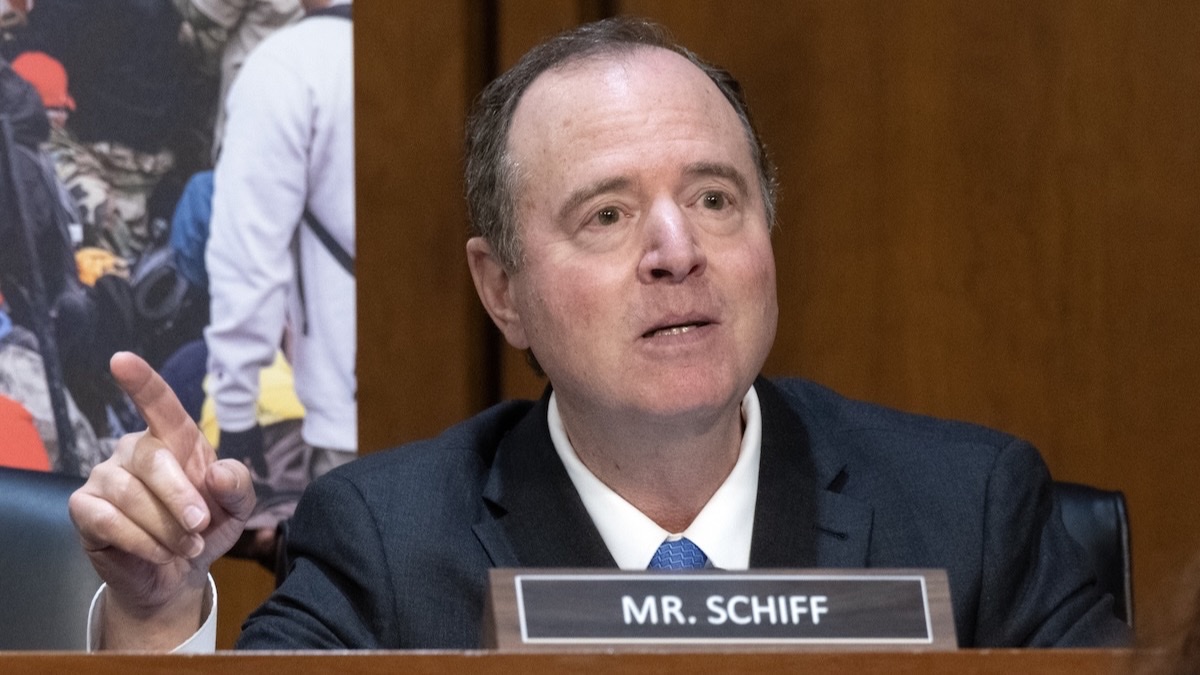
The US Senate unanimously passed a bill on November 19, 2026, that would ban federally regulated prediction markets from listing contracts on war, terrorism, assassination, US military operations or a person's death. Sen. Adam Schiff (D-Calif.) and Sen. John Curtis (R-Utah) wrote the DEATH BETS Act, and Schiff's office says it's the first bill regulating prediction markets to pass the Senate in this Congress. It still has to pass the House.
Quick Take
- The bill would bar exchanges registered with the Commodity Futures Trading Commission (CFTC), such as Kalshi and Polymarket US, from listing or clearing these contracts.
- The CFTC's own rules already ban contracts on terrorism, assassination and war. The bill would write that ban into law and add US military operations, months after the CFTC charged a soldier over Polymarket bets on the Maduro raid.
- The House has a companion bill, but if it doesn't pass before this Congress ends on Jan. 3, 2027, it would have to start over.
What Does The DEATH BETS Act Ban?
The version the Senate passed is a substitute amendment to the original bill, S. 4035, which Schiff introduced in March. According to the amendment text, a CFTC-registered exchange couldn't list or clear two kinds of event contracts:
- Contracts that expressly reference terrorism, assassination, war, US Armed Forces military operations, or a similar activity the CFTC defines by rule.
- Contracts expected to resolve mainly on someone's death, judged at the time the contract is listed, even if the contract doesn't name death outright.
The name stands for "Discouraging Exploitative Assassination, Tragedy, and Harm Betting in Event Trading Systems." The Senate passed it by unanimous consent, a procedure in which a bill passes without a recorded vote unless a senator objects, after Curtis and Schiff spoke on the floor.
Save This Article
Email this article to yourself
We'll send you a link to "Senate Passes DEATH BETS Act To Ban Prediction Market Bets On War And Death" so you can read it later, plus The Weekly Ritual, our free newsletter. Unsubscribe anytime.
Why Does The Bill Name US Military Operations?
The clause comes months after the CFTC's first insider trading case over prediction market bets, which was tied to a US military raid. On April 23, 2026, the CFTC charged Gannon Ken Van Dyke, an active-duty Army soldier, with insider trading on Polymarket. Federal prosecutors in Manhattan unsealed a criminal indictment against him the same day.
According to the CFTC, Van Dyke helped plan and carry out Operation Absolute Resolve, the US operation to capture then-Venezuelan President Nicolás Maduro and his wife, Cilia Flores. Between Dec. 30, 2025, and Jan. 2, 2026, he allegedly used classified information about it to buy more than 436,000 "Yes" shares in Polymarket's "Maduro Out by January 31, 2026?" contract. The CFTC says he made more than $404,000 trading under the handle "Burdensome-Mix."
The CFTC called it the first time it had charged insider trading in event contracts. Chairman Michael Selig said the trades "endangered U.S. national security and put the lives of American service members in harm's way." The charges are allegations.
The DEATH BETS Act wouldn't have stopped this exact trade. That contract named Maduro, not a US operation, and it traded on Polymarket's international site, which isn't registered with the CFTC. The bill goes after the other half of the problem: contracts on US-registered exchanges that let anyone bet directly on what the military will do. Schiff's office says traders have been suspected of using inside information about war and US military actions in "numerous cases this year," and it listed a contract on whether Maduro would be removed from power among the offshore bets lawmakers have flagged to the CFTC.
What Changes From Current Law?
Under the Commodity Exchange Act, the CFTC may decide that event contracts involving terrorism, assassination, war, gaming or unlawful activity are against the public interest, and contracts it rules out can't be listed. The CFTC used that power in Rule 40.11, which already bars registered exchanges from listing contracts that involve terrorism, assassination or war.
The bill makes three changes:
| Today | Under The DEATH BETS Act | |
|---|---|---|
| War, Terrorism, Assassination | Banned by a CFTC rule the agency could rewrite | Banned by federal law |
| US Military Operations | Not named | Banned when expressly referenced |
| A Person's Death | Not named | Banned when the contract mainly turns on it |
Schiff argues the agency shouldn't have that discretion anymore, because CFTC Chairman Michael Selig "has indicated that he will rewrite the rules on prediction markets," his office said. A rule of construction added to the bill says it doesn't change the legal status of other event contracts, including gaming contracts such as sports bets.
What It Means For Kalshi, Polymarket And Coinbase Users
The ban applies only to CFTC-registered entities. The CFTC's list of registered exchanges includes Kalshi, Polymarket US and Coinbase Derivatives. Coinbase says on its prediction markets page that its US prediction trading runs through Coinbase Financial Markets, a CFTC-registered futures commission merchant. A broker like that trades on CFTC-registered exchanges, so the ban would shape what Coinbase customers can buy. Crypto.com and Gemini also offer event contracts to US users, as our Crypto.com review and Gemini review explain.
For most users, little would change day to day. Sports, election, economic and crypto price contracts aren't covered by the bill.
The bigger gap is offshore. Schiff's office pointed to contracts on offshore exchanges, such as whether NASA's Artemis II mission would explode, as the kind of bet it wants to stop. The only Polymarket business on the CFTC's list is Polymarket US. Polymarket paid a $1.4 million CFTC penalty in 2022 for offering unregistered event contracts, as our crypto fines and penalties tracker shows, and a US law still wouldn't reach contracts listed on its international platform, the one where bettors gave Trump 72% odds of winning during the 2024 election. Our story on Elizabeth Warren's plans for Senate Banking covers other insider trading cases, including Kalshi bets tied to President Trump's speeches.
What Happens Next?
Rep. Mike Levin (D-Calif.) has introduced a companion bill in the House, according to Schiff's office. Both chambers have to pass the same text before it can go to the president. Bills that haven't passed both chambers when a Congress ends on Jan. 3, 2027, expire and must be reintroduced, the same deadline facing Trump's SEC and CFTC nominees.
Curtis and Schiff have also introduced a broader bill, the Prediction Markets Are Gambling Act, which would bar CFTC-registered exchanges from listing contracts that resemble sports bets or casino games, Curtis's office said. That bill hasn't passed either chamber.
What This Means For Your Money
Nothing changes in your account until a bill becomes law. If you trade event contracts, a few checks help either way:
- Know who regulates your platform. A CFTC-registered exchange has to follow US rules on what it lists. An offshore site may not, and US regulators can do little if something goes wrong.
- Expect contract lists to change. Exchanges can delist contracts when the rules change, so read how a platform settles a contract it pulls.
- Treat event contracts as high risk. Each contract pays out or goes to zero. Our list of the most common crypto scams also covers fake platforms that promise winnings you can't withdraw.
FAQ
What Is The DEATH BETS Act?
It's a bill from Sens. Adam Schiff and John Curtis that would ban CFTC-registered exchanges from listing contracts on terrorism, assassination, war, US military operations or a person's death. The Senate passed it unanimously on Nov. 19, 2026, and it now goes to the House.
Is The DEATH BETS Act Law?
No. It has passed only the Senate. The House would have to pass the same text and the president would have to sign it. If that doesn't happen before Jan. 3, 2027, it would have to be reintroduced in the new Congress.
Does The Bill Ban Sports Betting On Prediction Markets?
No. A rule of construction in the bill says it doesn't change the legal status of other event contracts, including sports and other gaming contracts. A separate Curtis-Schiff bill, the Prediction Markets Are Gambling Act, targets those.
Does The DEATH BETS Act Apply To Polymarket?
It would apply to Polymarket US, which is registered with the CFTC. It wouldn't reach Polymarket's international platform, which isn't on the CFTC's list of registered exchanges.

About the author
Robert Farrington, Founder And Editor-In-Chief
Robert Farrington is the Founder and Editor-in-Chief of Cult of Money, the leading resource for personal finance for the crypto-curious. Since diving into cryptocurrency in 2016, he has personally researched, tested, and written extensively about Bitcoin, Ethereum, DeFi, NFTs, staking, crypto taxes, and how digital assets fit into real-world financial planning.
He is also the founder of The College Investor (one of the largest personal finance sites) and a Forbes contributor. Robert holds a BA in Political Science and an MBA in Entrepreneurship from UC San Diego.